
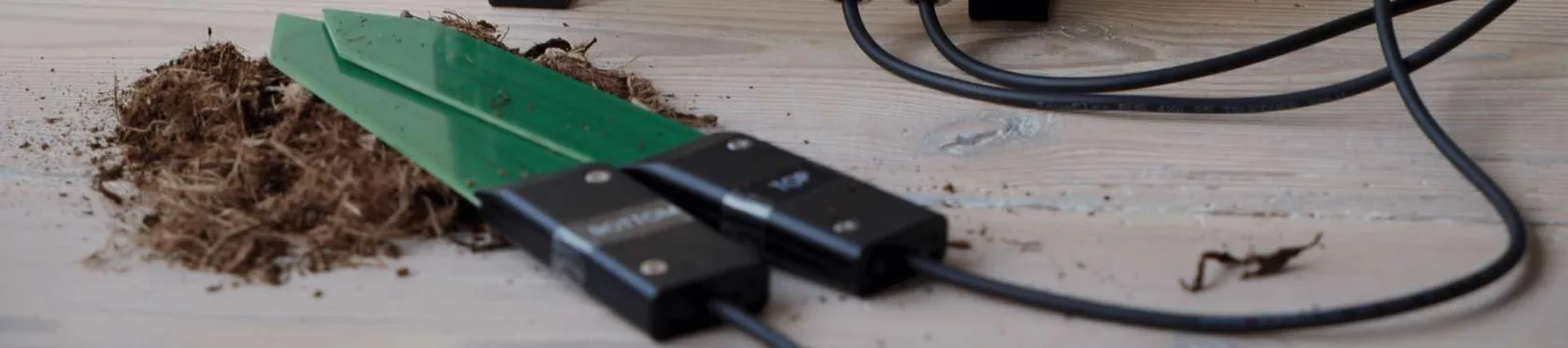
The SoilSense sensor
Scientifically-validated sensors
An irrigation support system is only as good as the data it depends on. Accurate, reliable sensors are a must.
Bad data is worse than no data
That's why we set the industry standard with the best, scientifically-validated sensor technology
Buried sensors
We use buried soil sensors because they provide the most realistic measurement of actual soil conditions. Drill-and-drop probes might be easier to install, but if you can not trust the measurement, what good are they?
TDT Technology
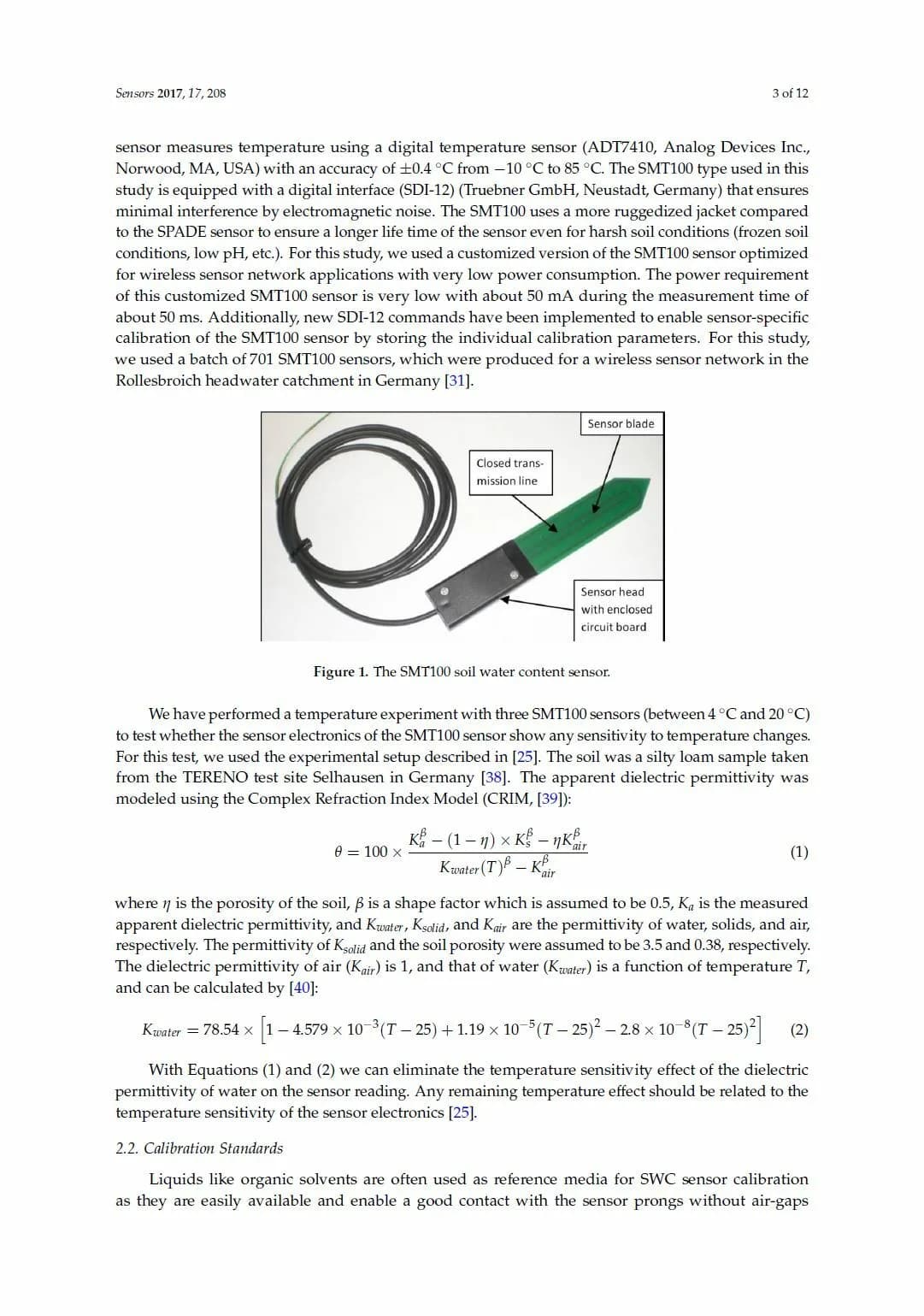
TDT technology is along with TDR the only sensor technology that provides trustworthy measurements for irrigation scheduling. Most other solutions rely on capacitive sensors that have proven unfit for this purpose.
Approved by science
We have dug into the research, so you don't have to. We only claim what the research supports. If you are considering an alternative solution, we will gladly help you compare it to ours based on scientific literature
Measure the right thing
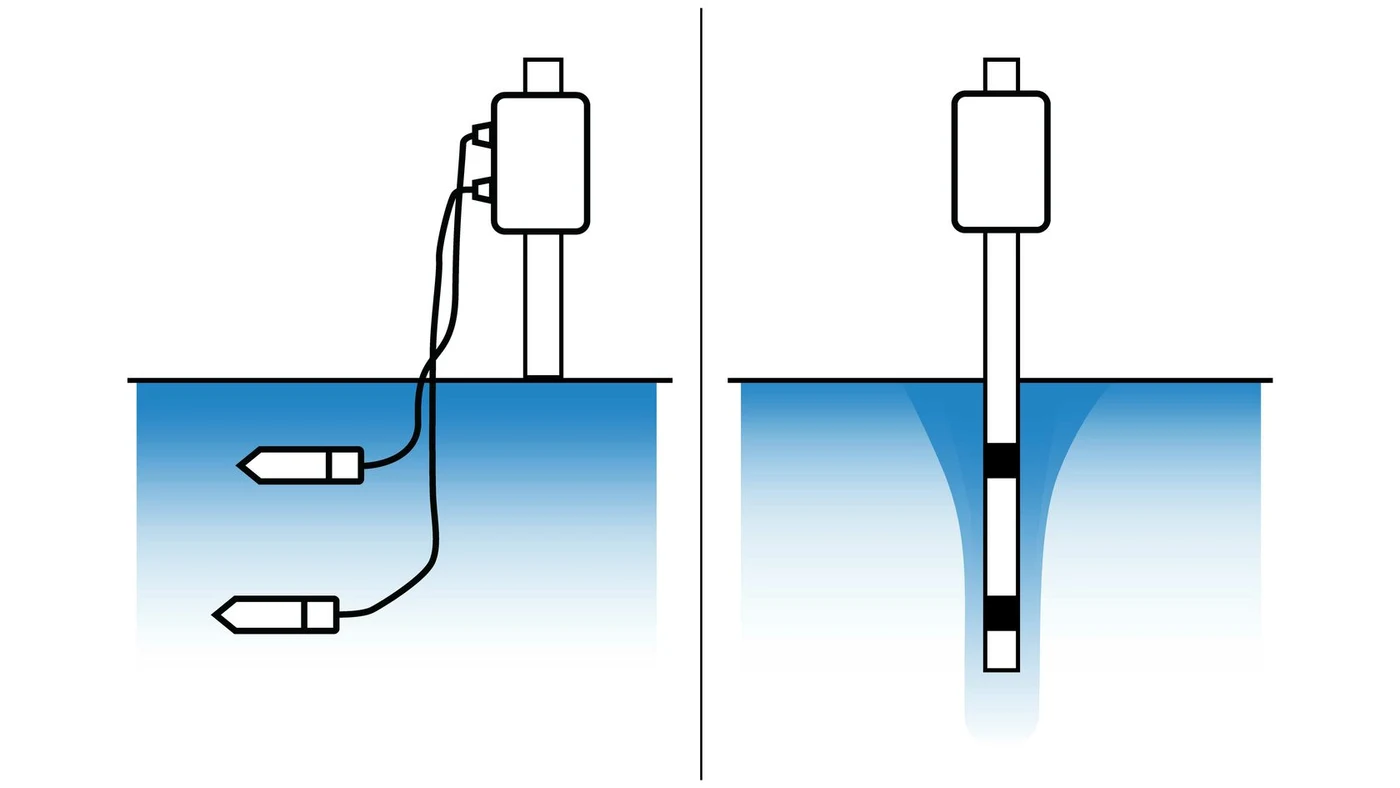
Our buried sensors provide the most correct measurement of the soil because they do not disturb water flow after installation.
Sensors of the probe design provoke what is called preferential flow where water from rain and irrigation is prone to travel along the surface of the stick, leading to misleadingly high measurements.
Measure EC with TDR sensors
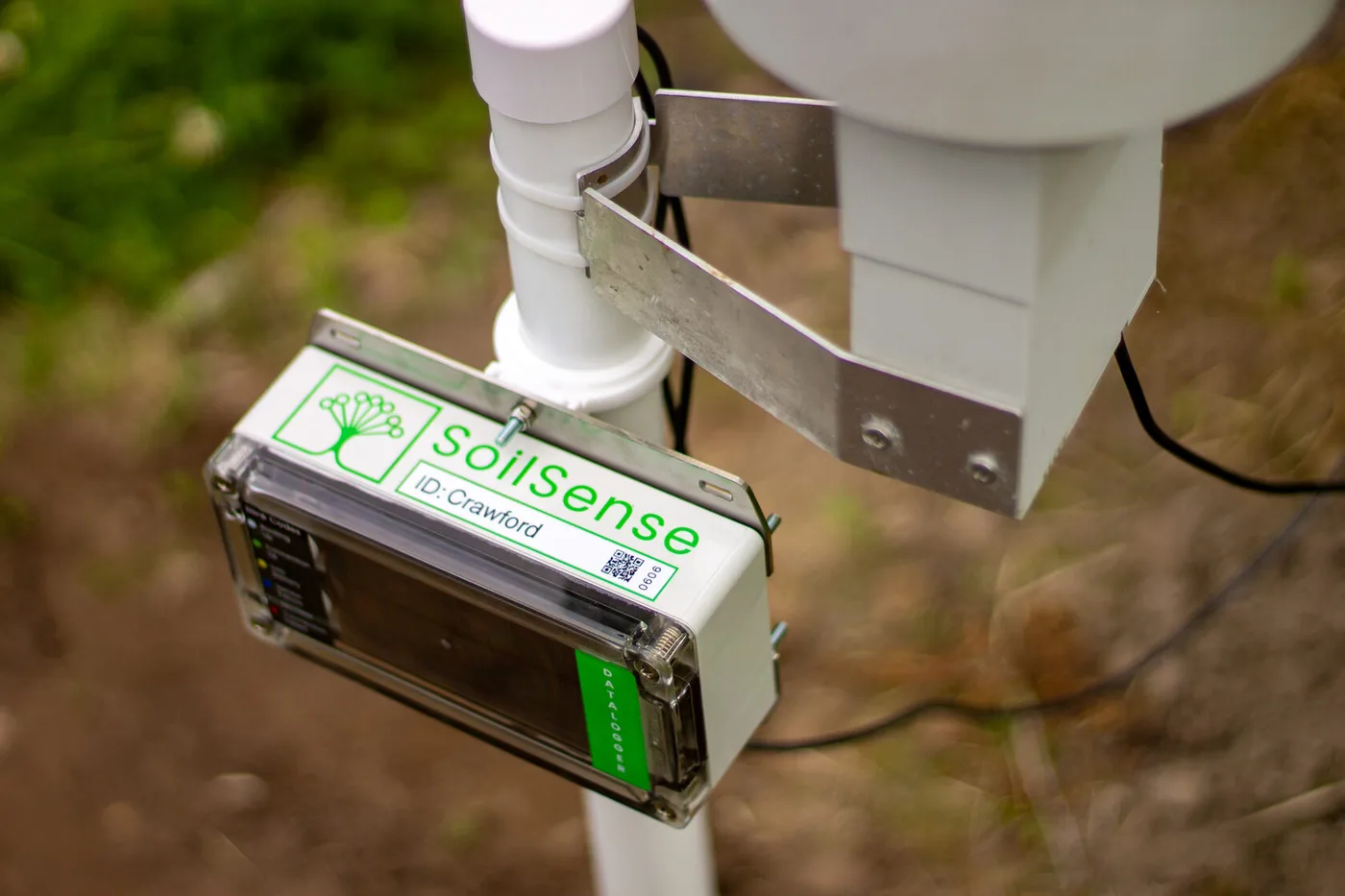
Our data logger can also be fitted with TDR sensors which can measure EC (Electrical Conductivity) on top of our standard measurements of soil moisture and temperature.
By measuring EC you can monitor:
- salinity
- nutrient availability
- irrigation needs
- soil health
- effects of fertilization
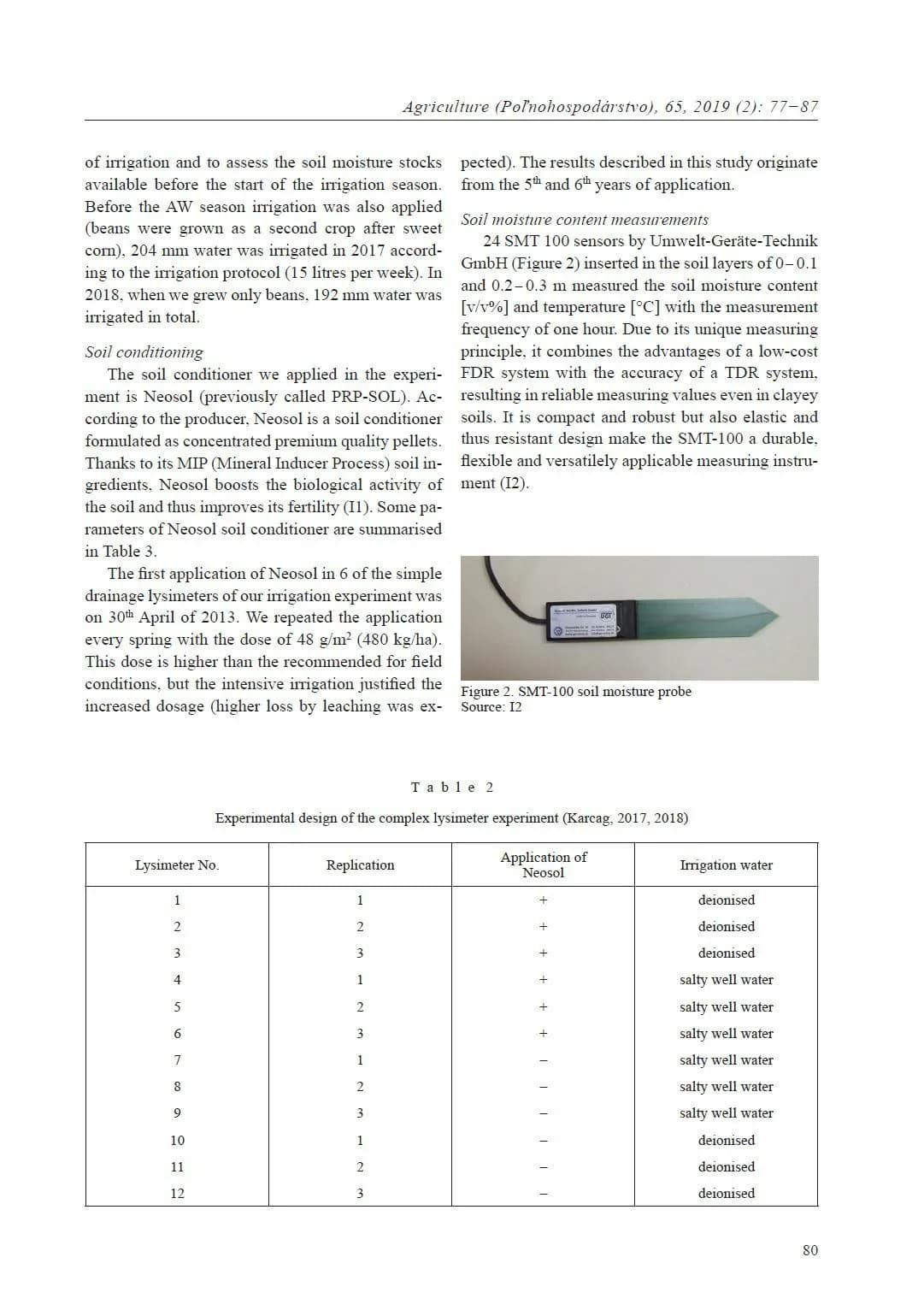
Trust science, not marketing
Our soil sensor delivers unprecedented accuracy across soil types at an affordable cost.
We take great pride in having scientific backing for our claims, and we are happy to provide you with the material.
Accuracy is not only about the variabilities in a laboratory setting. It is more so about how reliable the measurements are across different settings and environmental factors such as soil types, variations in EC, and soil compaction.
Why we use TDT sensors
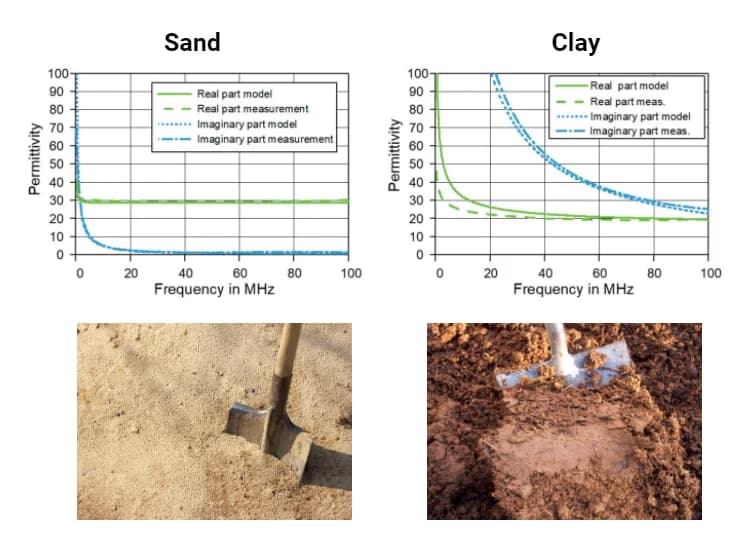
One of the reasons is measurement frequency. Soil moisture sensors estimate water indirectly from the permittivity of the soil.
The problem is that at the low operating frequency of capacitive sensors, the permittivity is not linear in all soil types. Consequently, you will experience faulty moisture variations — not because of water changes, but because of soil variations.
Our sensors perform accurately across any soil type since they operate at a high frequency of 150-300 MHz.
How yield is affected
TDT-sensors
With the precise TDT sensors we use, an increase in yield of around 15 % can be achieved compared with other sensors on the market.
Capacitive sensors
A capacitive sensor of good quality with a practical accuracy of +/- 6 %, can lead to your crop being in severe water stress for 3-7 days before the sensor detects it. If you irrigated perfectly, a capacitive sensor can only provide you with ~ 80% of the possible yield. A TDT sensor with a high accuracy of +/- 2 % can provide 95% of the optimal yield.
Let's talk
How can we help you?
We are happy to advise you on how soil sensors can be used in your production to increase your yield, reduce your water usage, and help you save time.
No commitment · We respond within one business day
Or stay in the loop
Occasional updates on product releases and the latest in agricultural technology.